How this can show up at home, at school, and in play
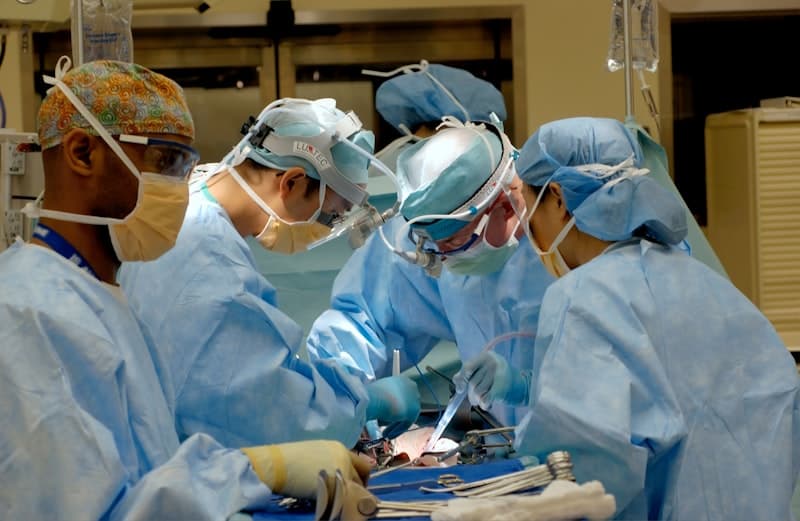
Post-Surgical Recovery can affect play, attention, self-regulation, self-care, and school participation. Rehabilitation following various surgical procedures to restore function and reduce pain. When these challenges start creating frustration, fatigue, or added stress for the family, an evaluation can help clarify which skills need support most.
How in-home therapy can help
AVOLA builds in-home treatment plans around functional goals using occupational therapy and physical therapy. The focus stays on what matters in real life: moving more confidently, participating more fully at school or at home, and reducing barriers that are making daily routines harder right now.
When it may be time to schedule an evaluation
If your child needs more help than expected with play, dressing, eating, writing, routines, or classroom participation.
If teachers or caregivers notice frequent frustration, avoidance, quick fatigue, or trouble keeping up with important skills.
If you want a clearer picture of what support could help now and how to build a plan for home and school.
What a care plan may include
Range of motion exercises
mobility training
wound care education
Therapies that may be part of the plan
Related conditions
If you are comparing similar symptoms or nearby diagnoses, these pages can help you understand related treatment options.
Related articles
Practical information from our team to help you better understand this condition and treatment options.
What Is Occupational Therapy? A Life-Changing Approach to Everyday Challenges
June 27, 2025
Occupational Therapy helps individuals of all ages improve daily living skills through personalized care, addressing conditions from developmental delays in children to recovery from injuries in adults and supporting mental health and aging challenges.
Reclaiming Life After Stroke: The Role of Occupational Therapy in Stroke Rehabilitation
June 27, 2025
Occupational therapy is vital for stroke survivors, aiding in regaining independence and confidence through personalized interventions in daily living, motor skills, cognitive rehabilitation, and community reintegration.