
Neurological
ADHD
A neurodevelopmental condition marked by inattention, hyperactivity, and impulsivity that can disrupt daily routines.
OTSpeech
In-home occupational therapy and physical therapy for a wide range of conditions.
64 conditions shown
A neurodevelopmental condition marked by inattention, hyperactivity, and impulsivity that can disrupt daily routines.
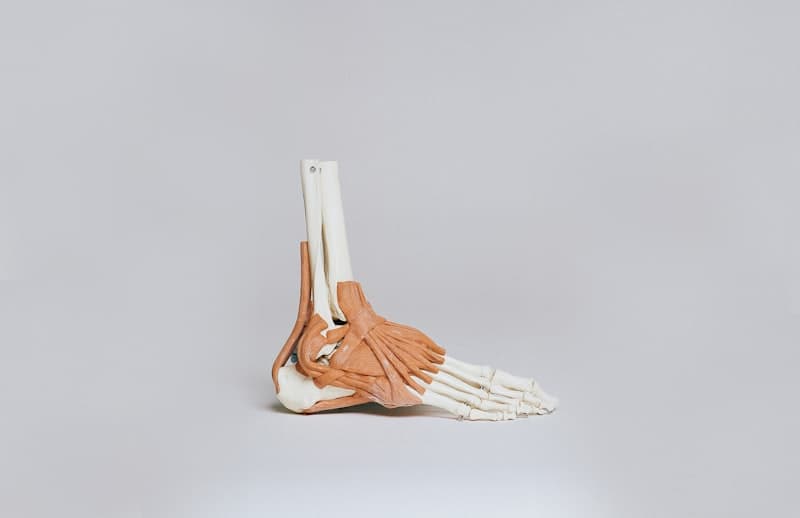
Sprains, fractures, or tendon injuries of the ankle often caused by twisting or impact, affecting mobility and stability.
Inflammation of the joints causing pain and stiffness.
A developmental disorder affecting communication, behavior, and sensory processing.
Difficulty maintaining balance or experiencing dizziness, increasing fall risk.

Temporary facial paralysis resulting from inflammation of the facial nerve.

A spinal disc condition that can cause back pain, numbness, or weakness.

Inflammation of a bursa, typically near joints such as shoulder, elbow, or hip.
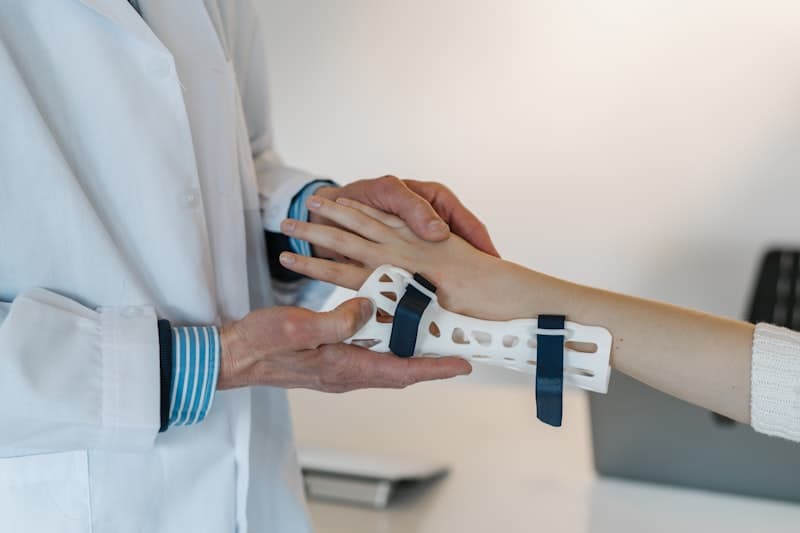
A condition caused by pressure on the median nerve in the wrist, leading to numbness and weakness.
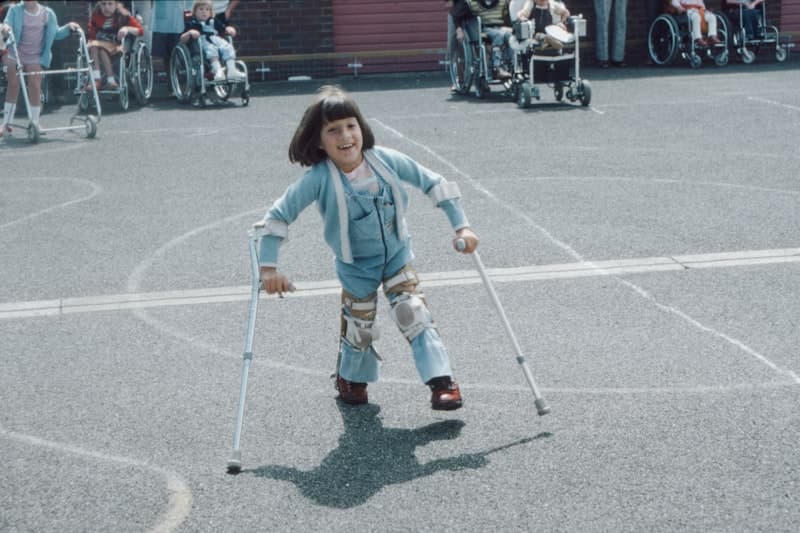
A group of disorders affecting movement, muscle tone, and posture, typically caused by early brain injury or abnormal brain development.

Exercise regimen focusing on strengthening abdominal and back muscles.

A spinal condition where discs wear down, leading to pain, stiffness, and sometimes nerve compression.

Delays in reaching developmental milestones in motor skills, speech and language, cognitive, social and emotional, and adaptive skills.

Not sure if your child is on track? A developmental screening checks fine motor, sensory, self-care, and school-readiness skills so you know where your child stands.

Difficulty walking due to pain, weakness, balance problems, or mobility limitations.
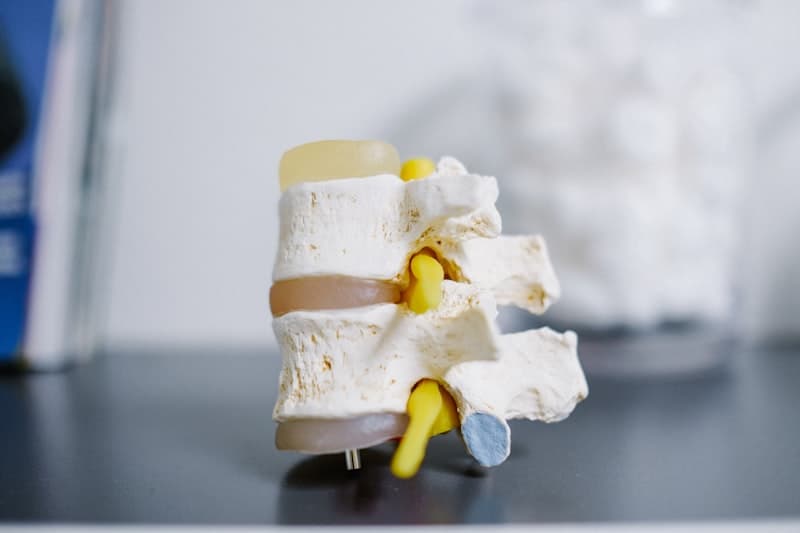
Condition where a spinal disc presses on nearby nerves causing pain or weakness.

A genetic condition that causes developmental delays and learning difficulties.
Aging, weakness, and environmental hazards increase fall risk, often leading to serious injury or reduced independence.

Difficulties with eating, drinking, or swallowing safely and effectively.

Reduced strength and endurance from inactivity or illness, especially in seniors.

Challenges with letter formation, spacing, pencil control, endurance, or written output that affect classroom participation and school confidence.

Pain in the head region, often due to tension, migraine, or neurological causes.
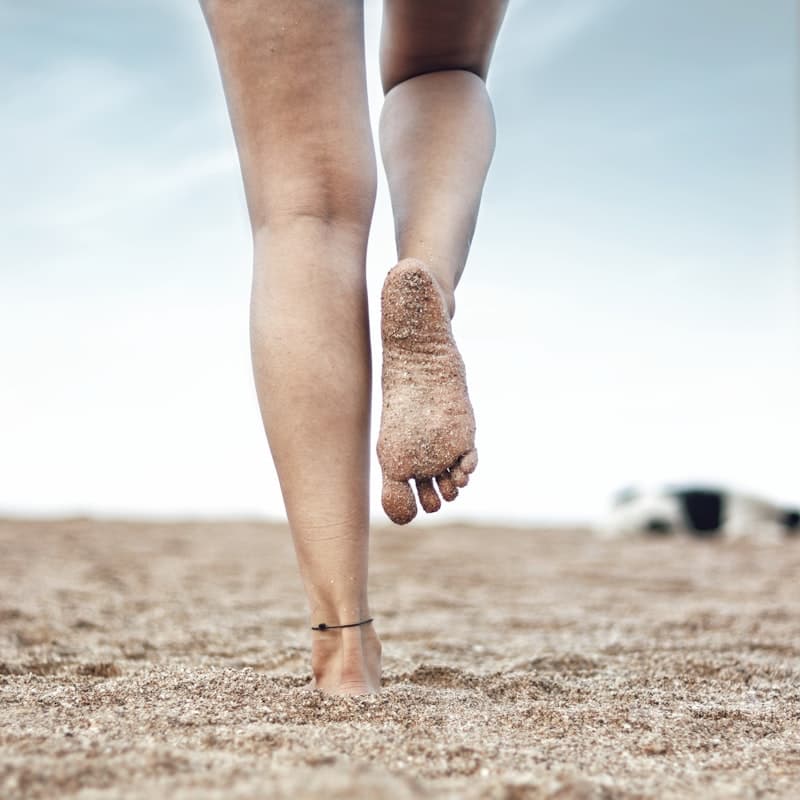
Pain under or around the heel, often linked to plantar fasciitis or heel spurs, that can make standing and walking uncomfortable.

Rehabilitation following a hip fracture, often due to a fall or osteoporosis.

Chronic or acute hip joint pain commonly due to arthritis or bursitis, limiting walking and daily activities.
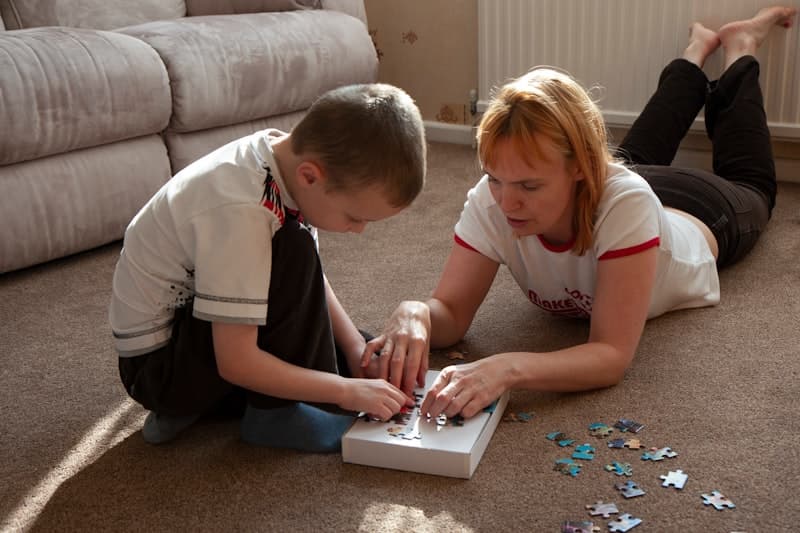
Limitations in intellectual functioning and adaptive behaviors, affecting an individual's ability to navigate daily life and learn new skills effectively.

An overuse injury that irritates the iliotibial band and commonly causes pain along the outside of the knee, thigh, or hip.
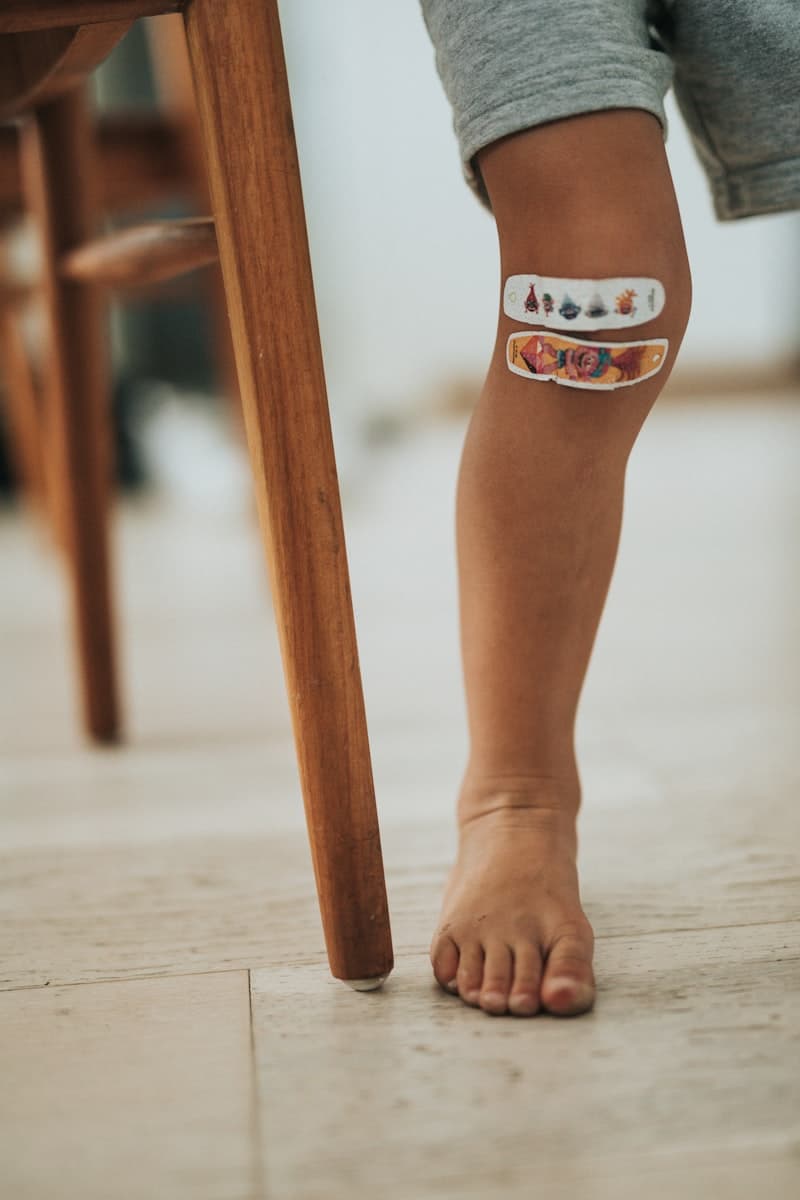
Pain in or around the knee joint from injury or wear.
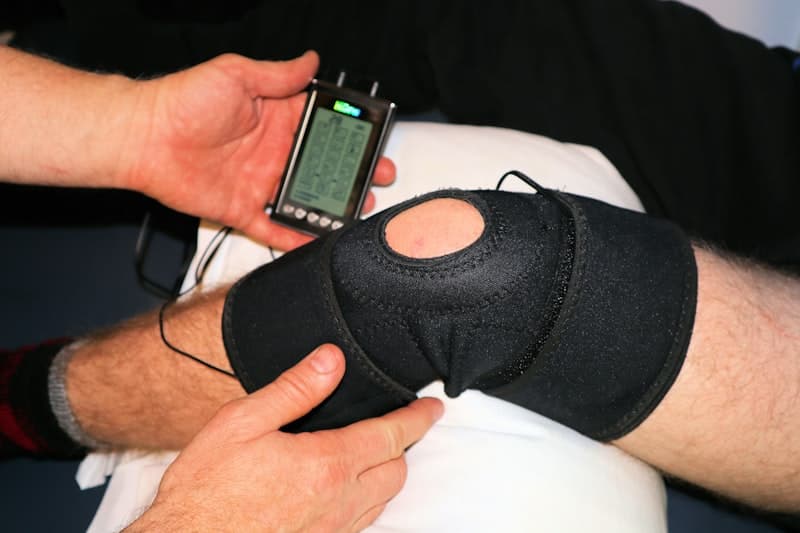
Post-operative recovery after surgical replacement of the knee joint.

Injury to the cartilage (labrum) in the shoulder or hip, causing pain, instability, and limited motion.
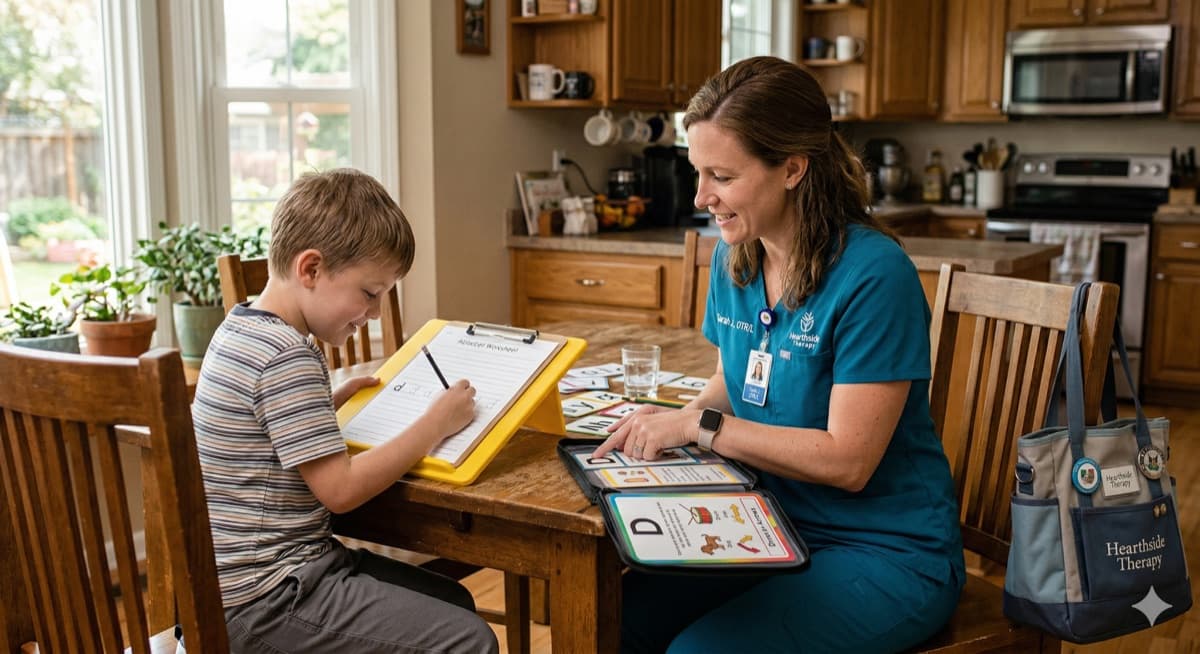
Neurological differences that affect how a child processes, retains, or applies information — impacting reading, writing, math, or organizational skills in the classroom.
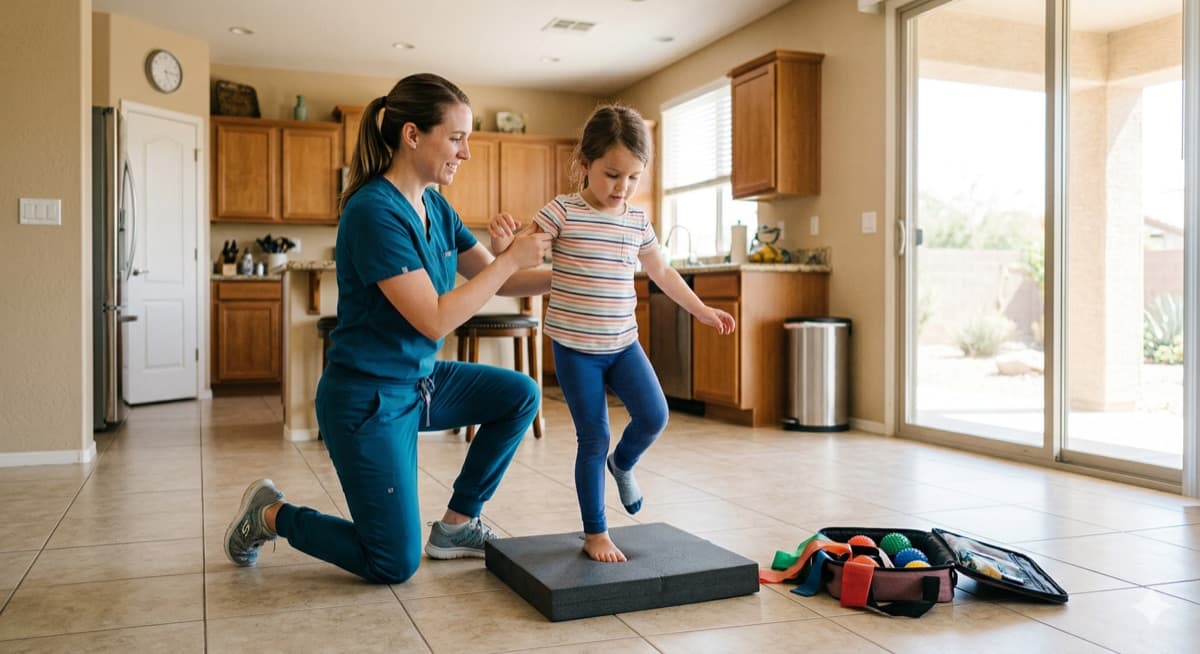
Weakness, low muscle tone, or coordination challenges that make movement, balance, and everyday physical activities harder than they should be.

Pain in the lumbar region, often due to strain or disc issues.
Tearing of the knee meniscus from trauma or degeneration, leading to swelling, pain, and joint instability.
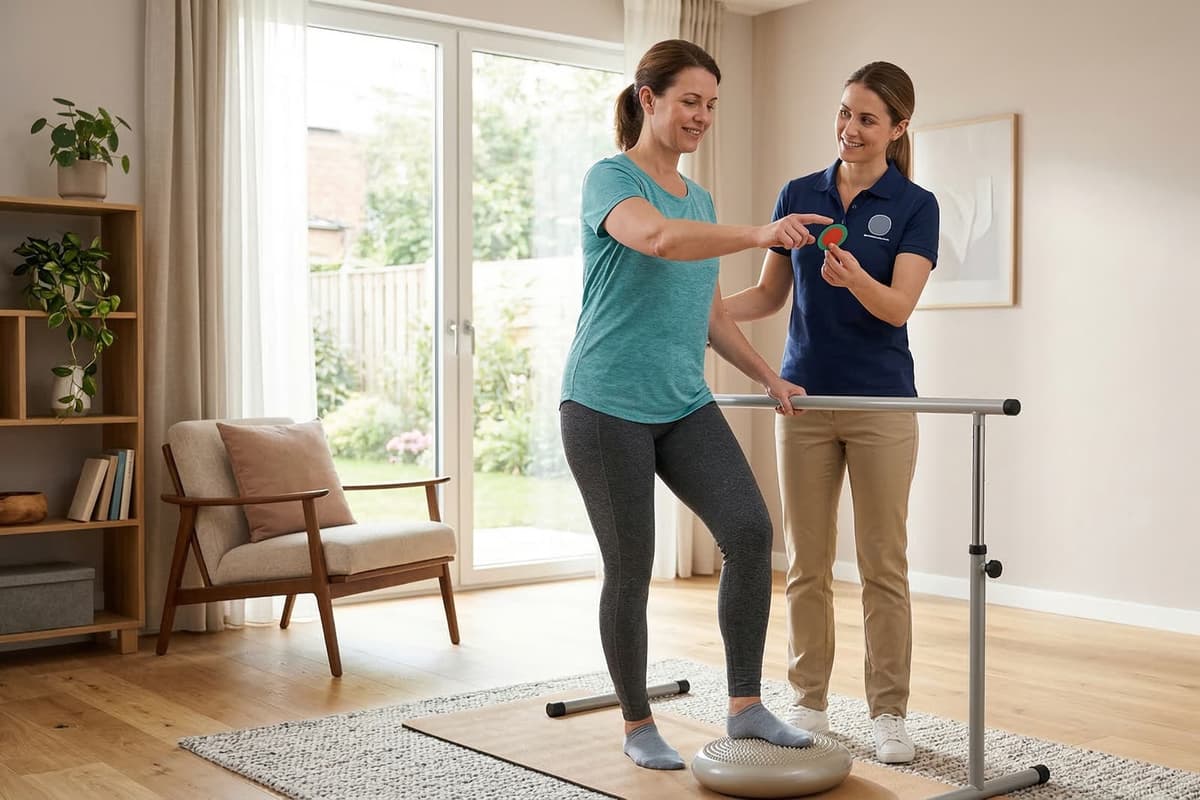
A chronic disease affecting the central nervous system, causing physical and cognitive impairments.

Reduced strength in specific muscle groups affecting function.

Discomfort in the cervical spine due to strain or posture issues.

Specialized therapy addressing neurological conditions affecting movement, coordination, and daily function.
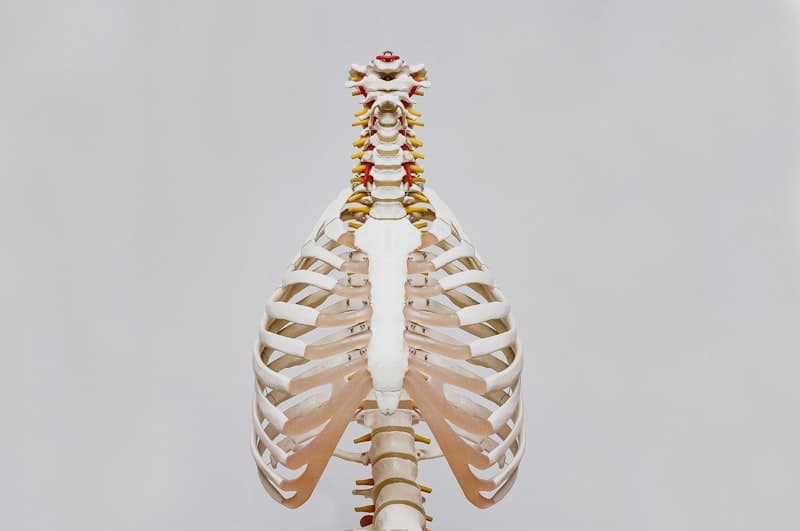
A condition that weakens bones and increases fracture risk.

A progressive nervous system disorder affecting movement, often including tremors.

Neuromuscular condition where the piriformis muscle compresses the sciatic nerve, causing buttock and leg pain.

Flattening of one side or the back of an infant's skull, often related to positioning habits or torticollis, that benefits from early repositioning and therapy.

Heel pain caused by inflammation of the plantar fascia.
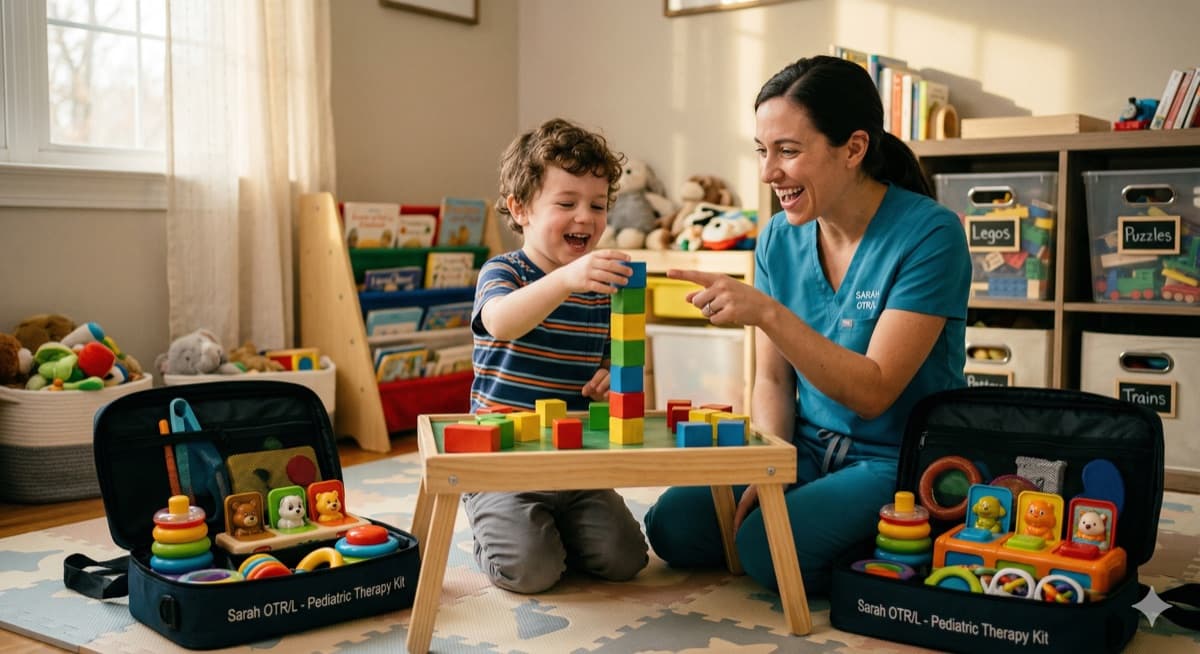
Difficulty engaging in age-appropriate play — from imaginative and cooperative play to problem-solving through toys — that affects learning, social connection, and developmental growth.
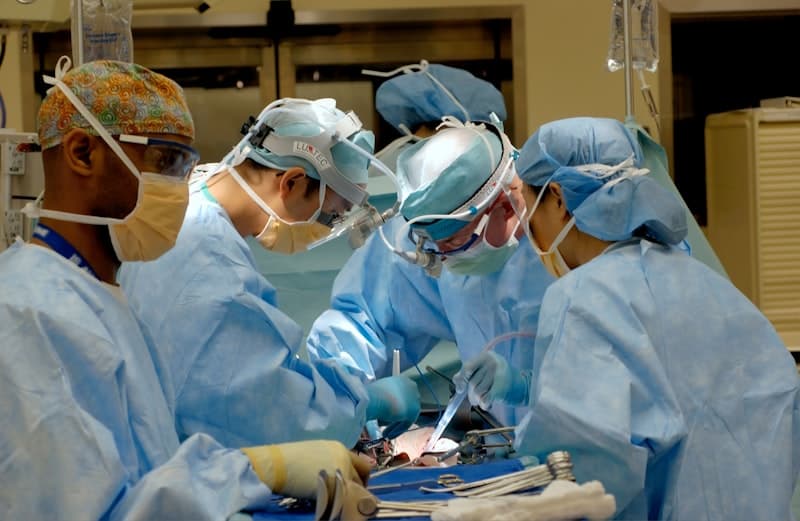
Rehabilitation following various surgical procedures to restore function and reduce pain.
Training to correct poor posture which may be contributing to pain or dysfunction.

Pre-operative therapy that builds strength, mobility, and home-safety strategies before a planned joint replacement to support smoother recovery afterward.
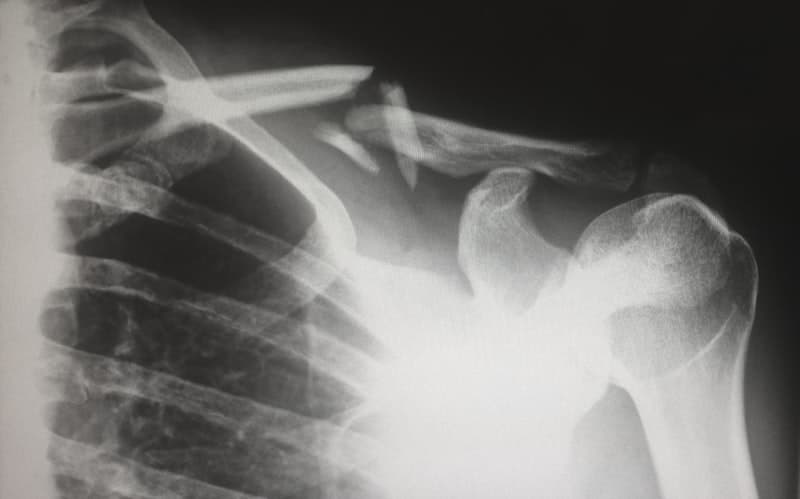
Shoulder condition where the rotator cuff tendons are irritated or inflamed.

Difficulty with the foundational motor, attention, self-care, and classroom participation skills children need to start school with confidence.
Radiating leg pain from compression of the sciatic nerve.
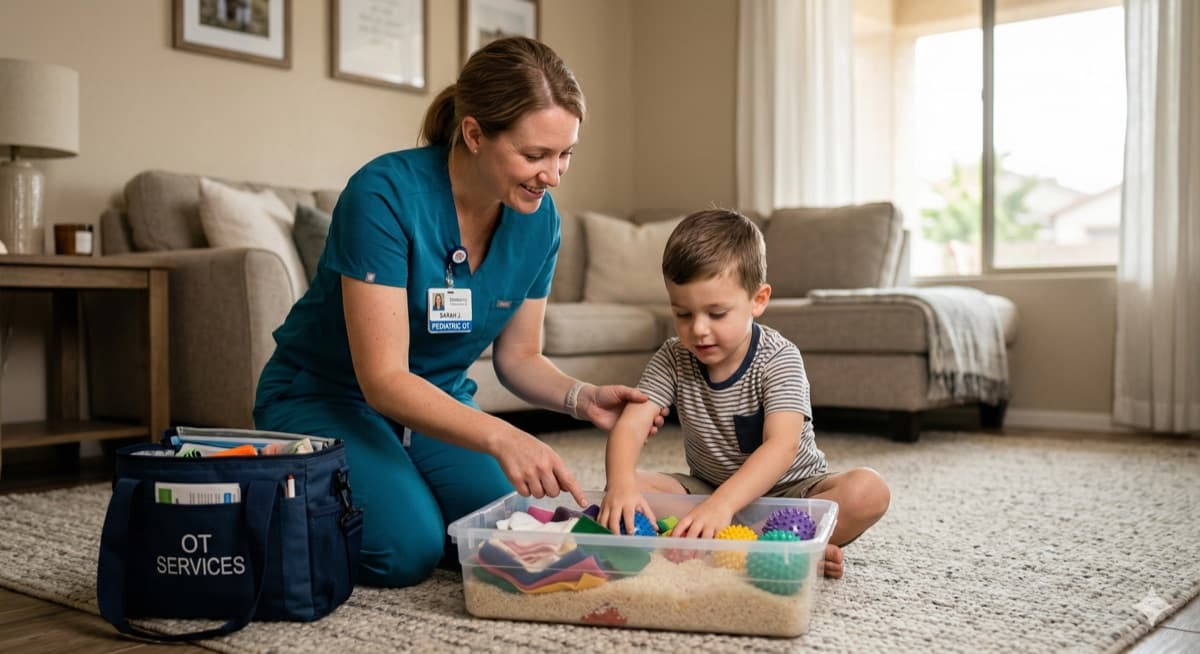
Difficulty organizing and responding to sensory input — sounds, textures, movement, or light — that affects daily routines, self-regulation, and participation at home and school.

An overuse injury that causes pain and irritation along the shinbone, especially during or after repetitive activity.

A condition where shoulder movement causes compression of tendons or bursa.

Challenges with turn-taking, reading social cues, making friends, or participating in group activities that affect peer relationships and classroom engagement.
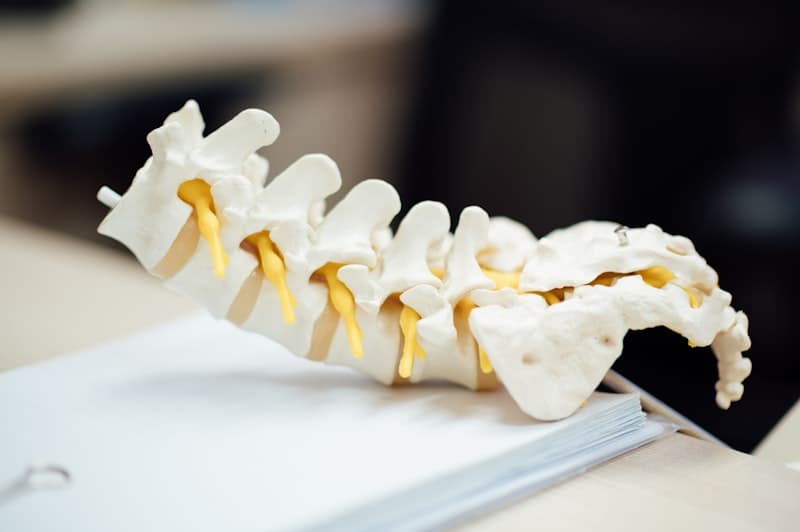
Damage to the spinal cord resulting in partial or complete loss of motor and/or sensory function.

Narrowing of spaces in the spine leading to nerve compression and pain.

Recovery process following a stroke, which may affect mobility, speech, and daily functioning.
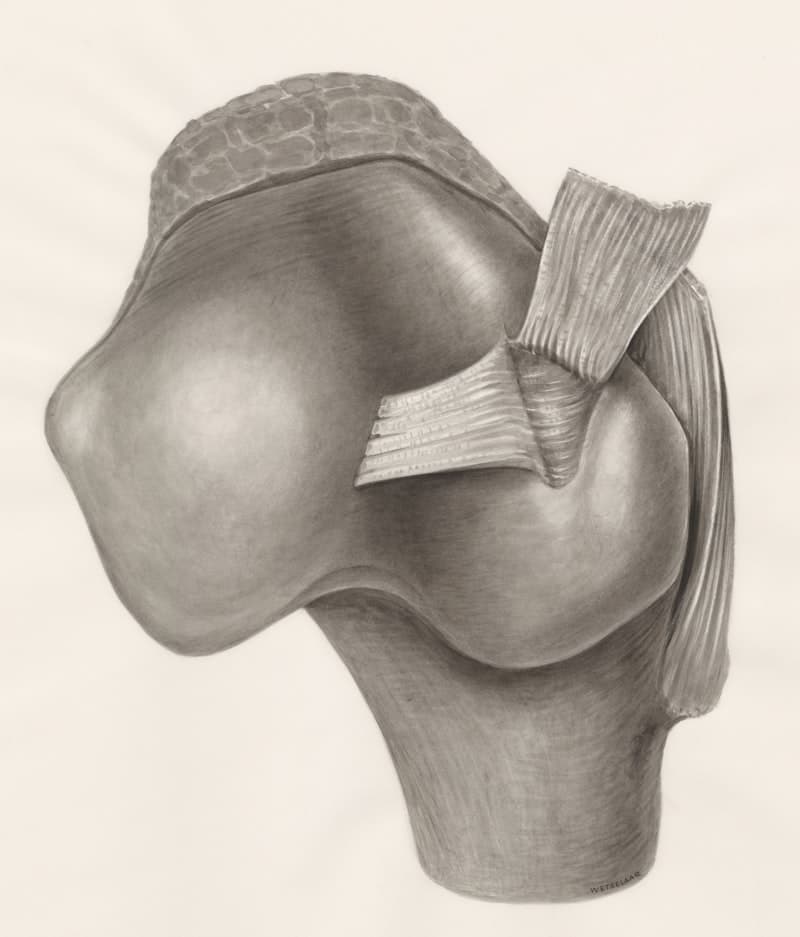
Inflammation of tendons due to overuse or injury.

Overuse injury affecting the tendons in the elbow, often from repetitive arm and wrist motions.
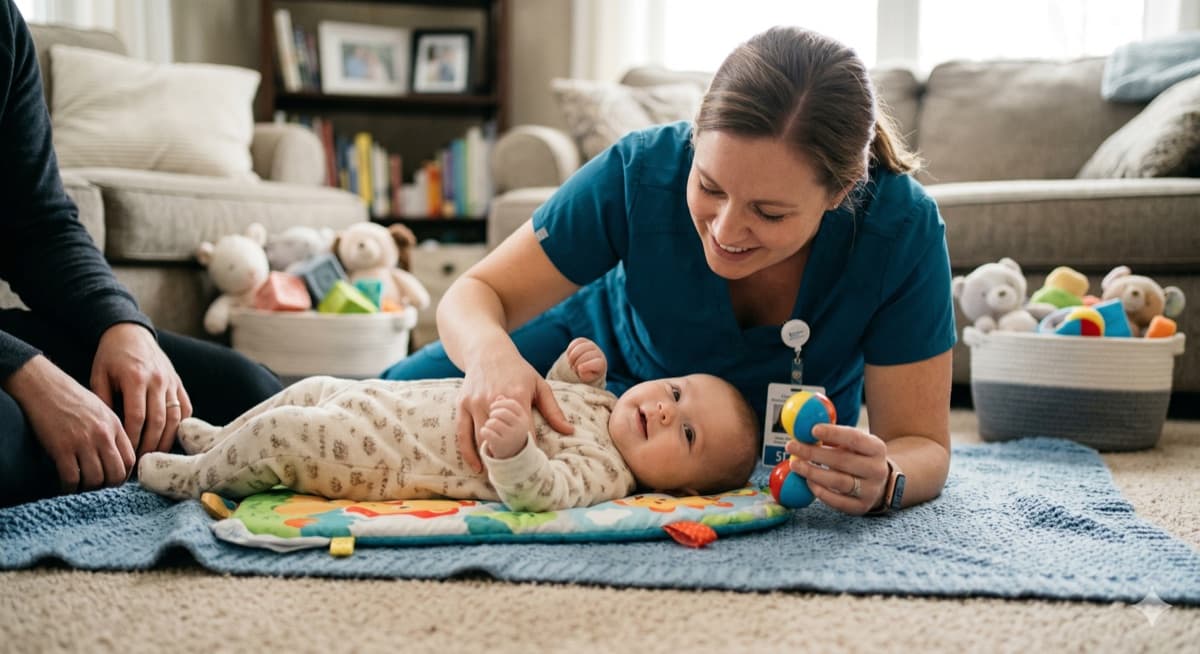
A tightening of the neck muscles that causes a child's head to tilt or turn to one side, affecting symmetrical movement, feeding, and visual development.
Damage to the brain from an external mechanical force, affecting function and cognition.

Loss of bladder control, often in older adults, that interferes with participation in activities and routines.

Conditions affecting balance and spatial orientation, often causing dizziness and vertigo.
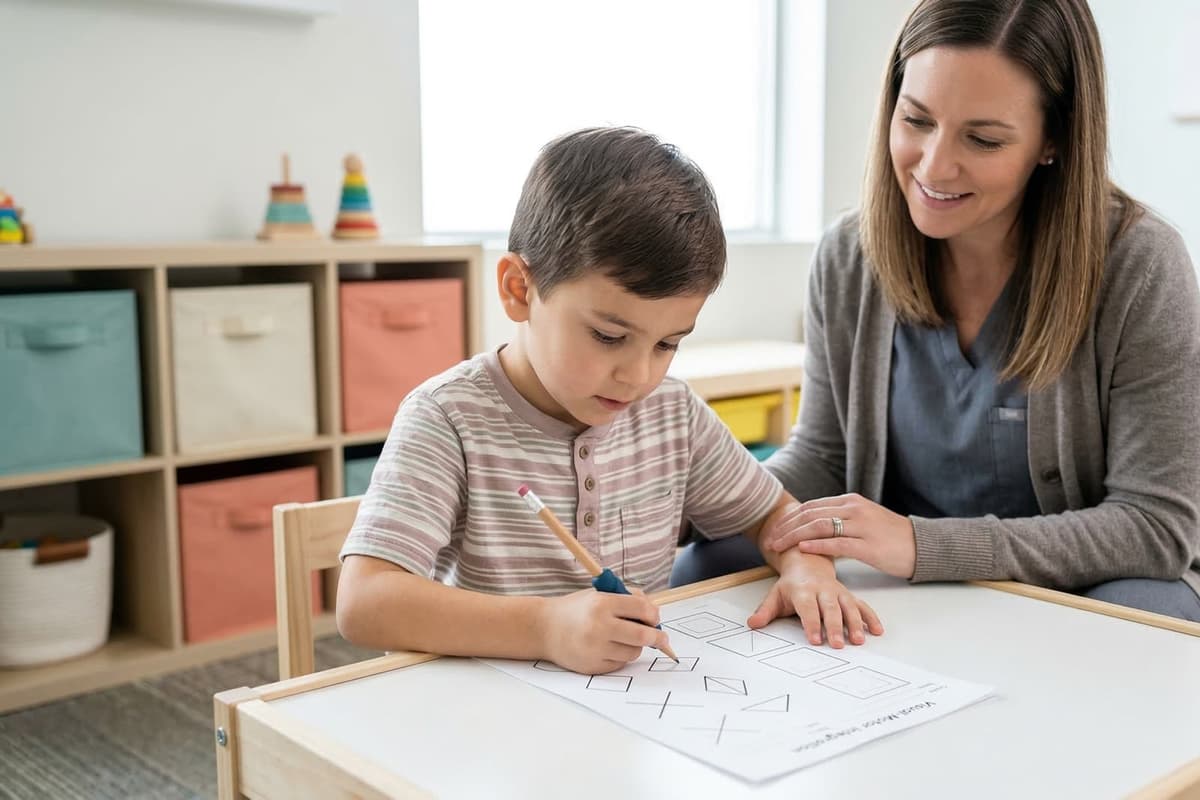
Trouble coordinating what the eyes see with how the hands move, which can affect handwriting, copying, cutting, puzzles, and other school tasks.