
Developmental
Autism Spectrum Disorder (ASD)
A developmental disorder affecting communication, behavior, and sensory processing.
OTSpeech
AVOLA Astros treats a wide range of pediatric conditions including ADHD, autism, cerebral palsy, developmental delays, and more through occupational and physical therapy.
21 conditions shown
A developmental disorder affecting communication, behavior, and sensory processing.

A neurodevelopmental condition marked by inattention, hyperactivity, and impulsivity that can disrupt daily routines.
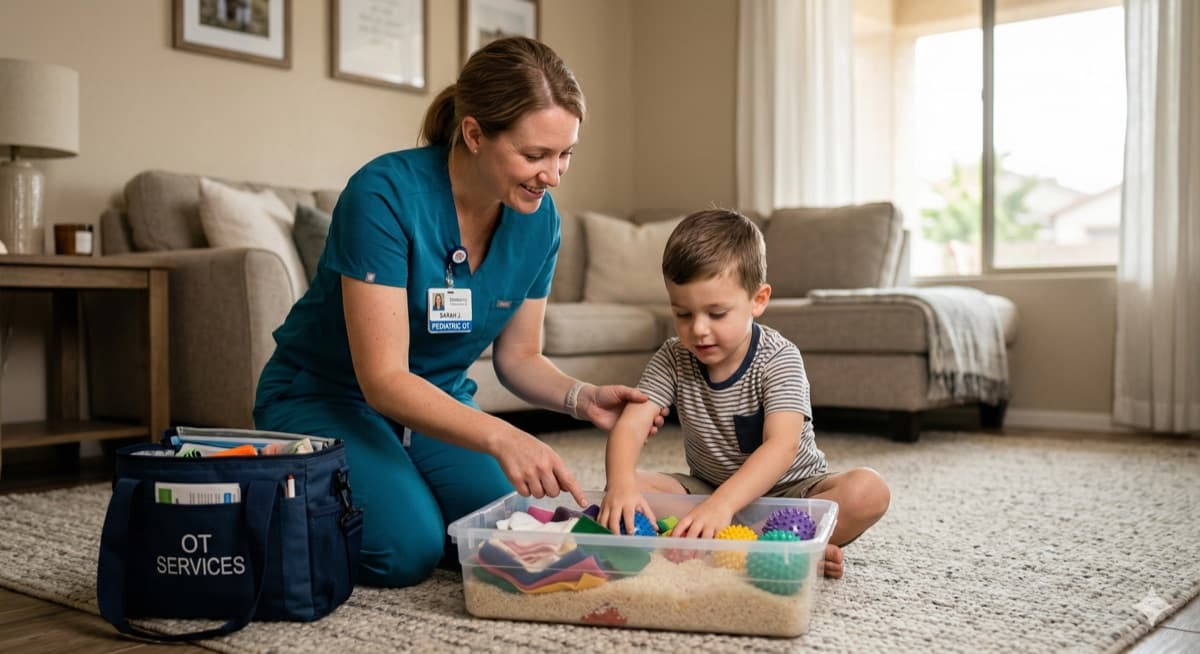
Difficulty organizing and responding to sensory input — sounds, textures, movement, or light — that affects daily routines, self-regulation, and participation at home and school.

Delays in reaching developmental milestones in motor skills, speech and language, cognitive, social and emotional, and adaptive skills.
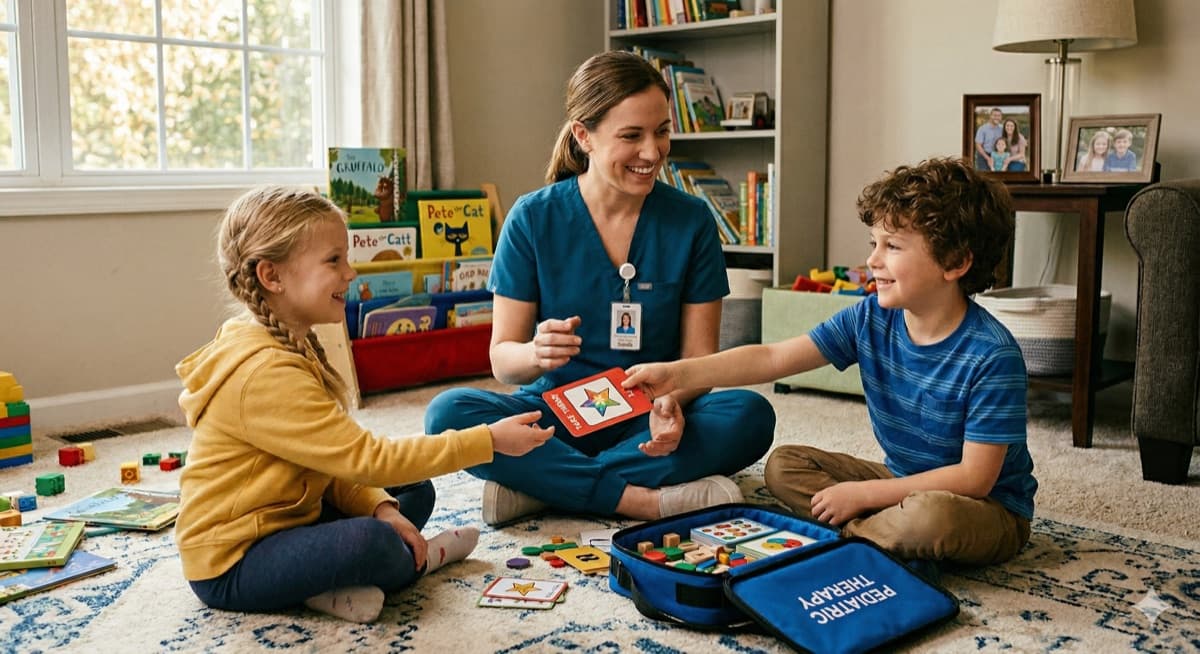
Challenges with turn-taking, reading social cues, making friends, or participating in group activities that affect peer relationships and classroom engagement.
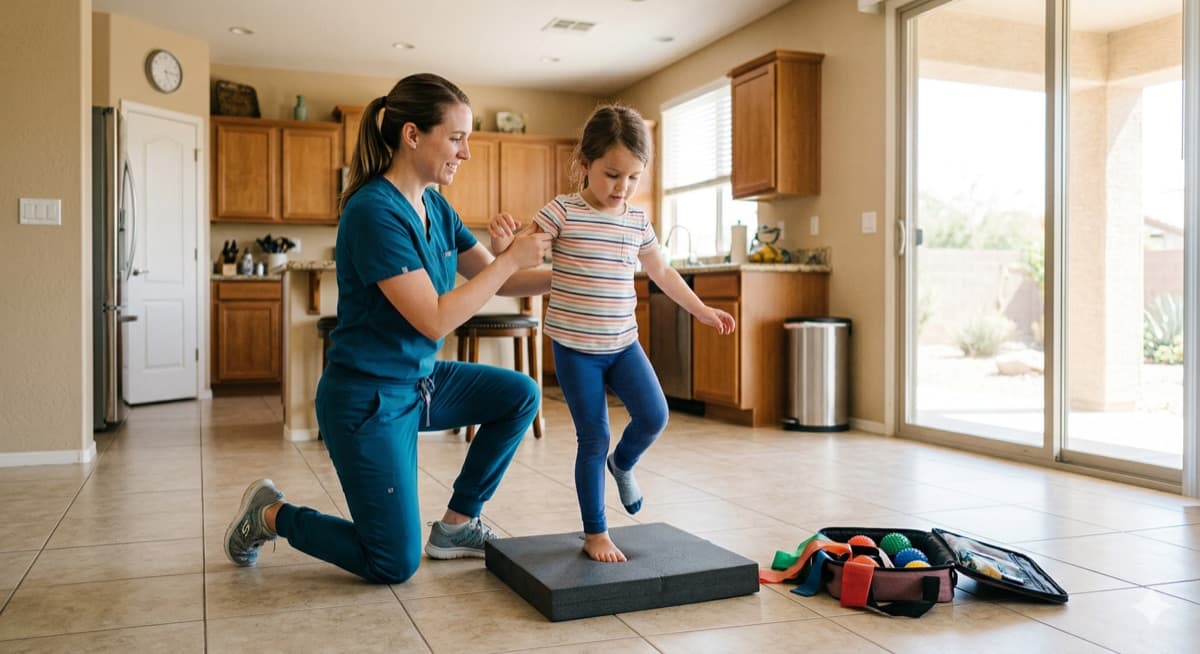
Weakness, low muscle tone, or coordination challenges that make movement, balance, and everyday physical activities harder than they should be.

Not sure if your child is on track? A developmental screening checks fine motor, sensory, self-care, and school-readiness skills so you know where your child stands.

Difficulty with the foundational motor, attention, self-care, and classroom participation skills children need to start school with confidence.

Challenges with letter formation, spacing, pencil control, endurance, or written output that affect classroom participation and school confidence.

Trouble coordinating what the eyes see with how the hands move, which can affect handwriting, copying, cutting, puzzles, and other school tasks.
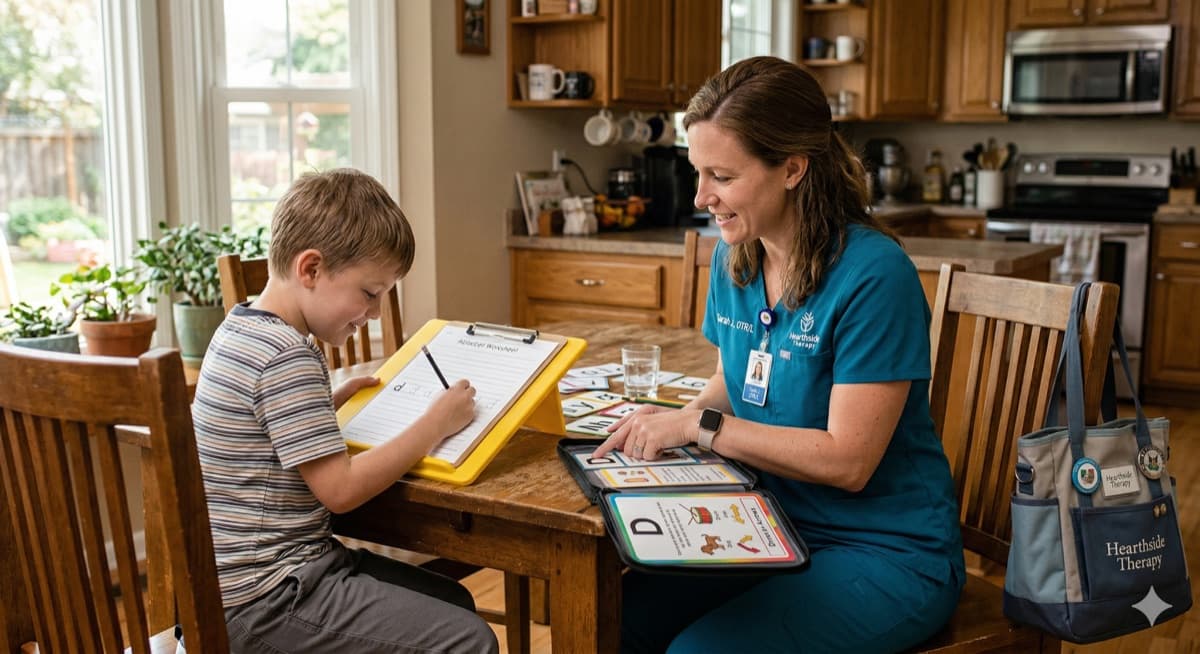
Neurological differences that affect how a child processes, retains, or applies information — impacting reading, writing, math, or organizational skills in the classroom.

A tightening of the neck muscles that causes a child's head to tilt or turn to one side, affecting symmetrical movement, feeding, and visual development.

Flattening of one side or the back of an infant's skull, often related to positioning habits or torticollis, that benefits from early repositioning and therapy.
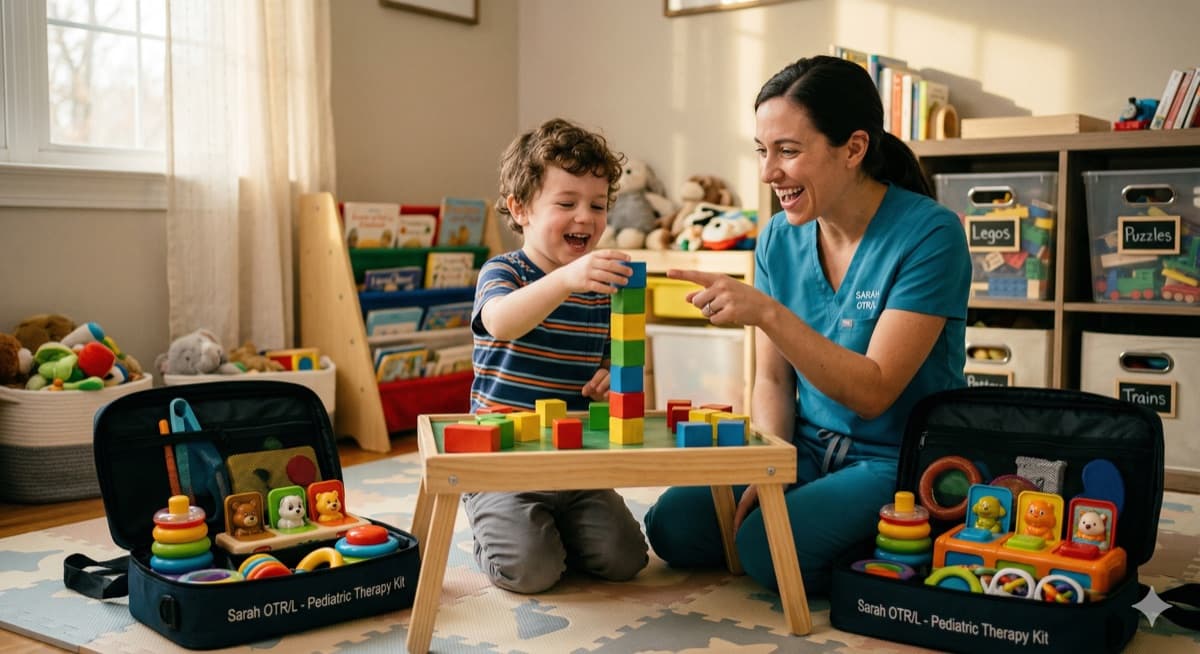
Difficulty engaging in age-appropriate play — from imaginative and cooperative play to problem-solving through toys — that affects learning, social connection, and developmental growth.

Difficulties with eating, drinking, or swallowing safely and effectively.
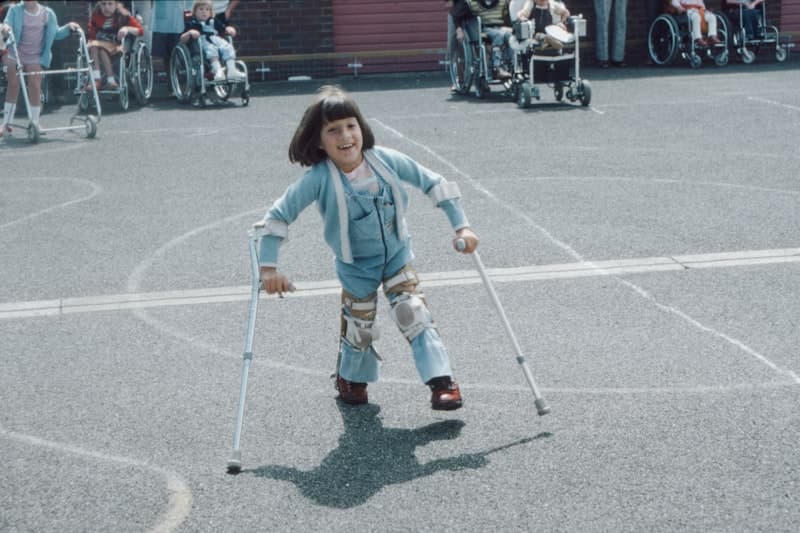
A group of disorders affecting movement, muscle tone, and posture, typically caused by early brain injury or abnormal brain development.

A genetic condition that causes developmental delays and learning difficulties.

Training to correct poor posture which may be contributing to pain or dysfunction.

Damage to the brain from an external mechanical force, affecting function and cognition.
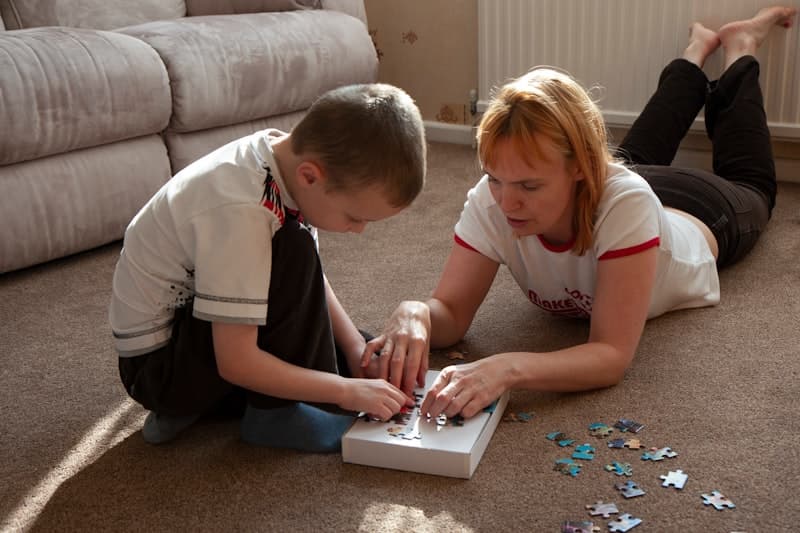
Limitations in intellectual functioning and adaptive behaviors, affecting an individual's ability to navigate daily life and learn new skills effectively.

Rehabilitation following various surgical procedures to restore function and reduce pain.
Tell us what you're seeing at home, at school, or in daily routines, and we'll help you decide whether pediatric OT is the right next step.